
A practical cleaning schedule plus the drying-time, heat and airflow clues that suggest the vent needs attention sooner.
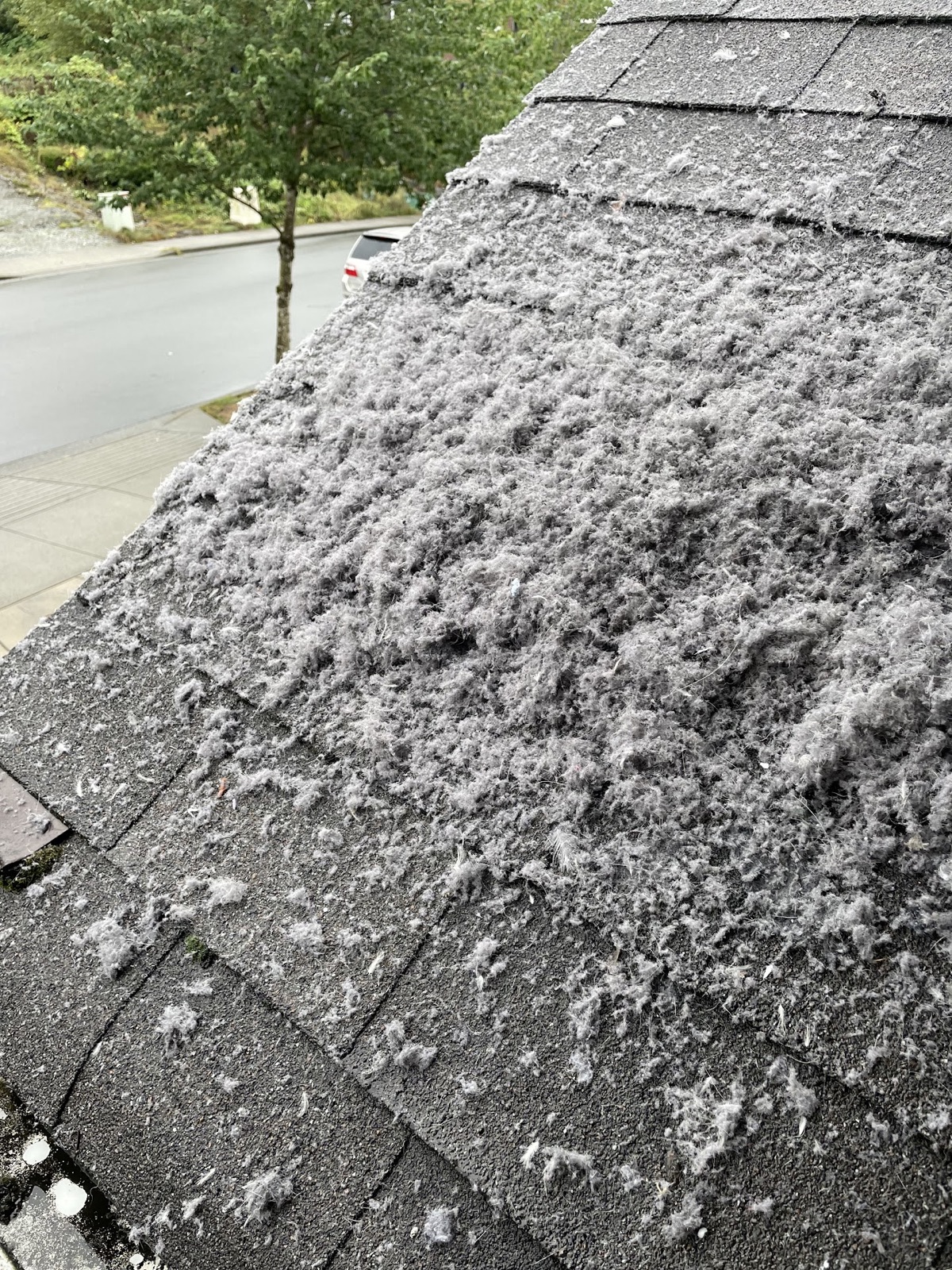
Representative High Demand Heating project photo. The customer address and exact project location are intentionally omitted for privacy.
Use an annual cleaning as a starting point
For many households, professional cleaning once a year is a reasonable baseline. A shorter interval may be appropriate for a large household, frequent laundry, pets, a long vent run or a vent with several bends. Multi-unit buildings may also have access and routing conditions that need a coordinated plan.
The lint screen still needs cleaning after every load, but it does not capture everything. Fine lint can settle in the transition duct and fixed vent, gradually reducing the path available for warm, moist air to leave the dryer.
Warning signs of a restricted dryer vent
Changes in drying performance are often the first clue that airflow is restricted.
- Clothes take longer than usual to dry
- The dryer or laundry room feels unusually hot
- A load remains damp after a normal cycle
- There is a musty or burning smell
- The exterior flap barely opens while the dryer runs
- Lint collects around the connection or exterior outlet
Why the vent route matters
A short, smooth vent with few bends usually moves air more easily than a long route through walls, ceilings or a roof. Flexible transition material behind the dryer can also be crushed when the appliance is pushed back, immediately restricting airflow.
A professional cleaner can assess the route, remove accumulated lint and confirm airflow at the exterior termination. If the vent is damaged, disconnected or poorly designed, cleaning alone may not solve the underlying problem.
When to stop using the dryer
Stop using the appliance if you smell burning, see smoke, notice scorching or the dryer repeatedly overheats or shuts down. Disconnect power only if it is safe to do so and arrange inspection before running another load.
Dryer-vent cleaning supports airflow and safety, but it is separate from appliance repair. A dryer that still performs poorly after the vent is clear may need service from an appliance technician.