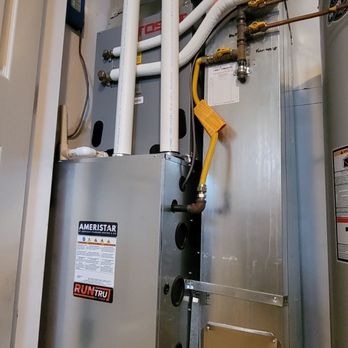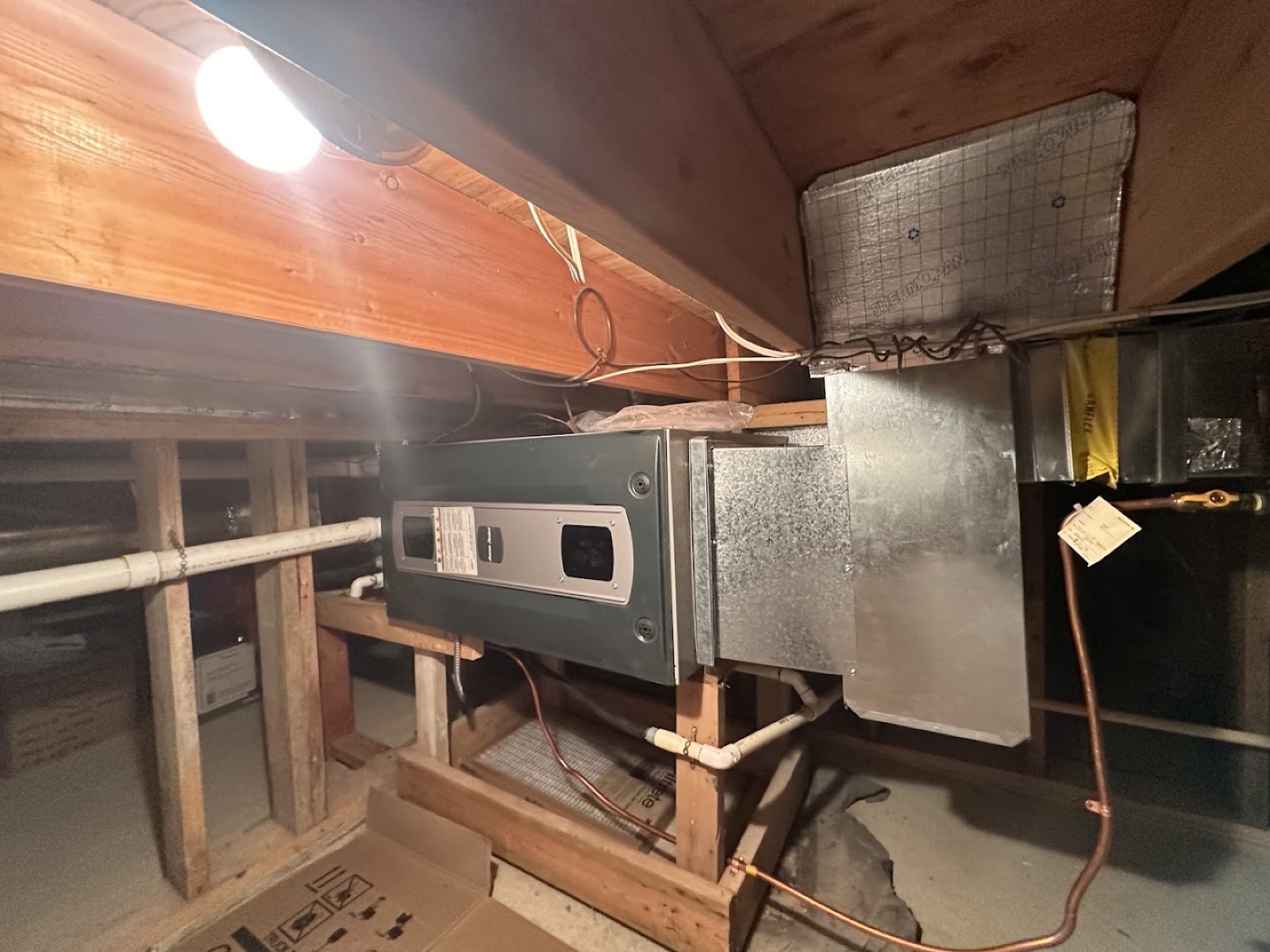
Understand the service
How furnace service should be approached
A furnace is part of a larger comfort system that includes the thermostat, filter, return air, supply ducts, vents and the building itself. Good diagnosis follows the operating sequence and checks the symptom in context instead of replacing the first component that appears related.
High Demand Heating handles routine maintenance, no-heat diagnosis, airflow concerns, repairs and replacement planning. The scope is explained after the equipment and property have been reviewed.
Tell us what the system is doing
A useful service request starts with the equipment, exact symptoms and urgency. Share what changed, when it began, any visible error code and whether the system is still operating. That information is more useful than guessing which part has failed.
- No heat or weak airflow
- Unusual sounds or cycling
- Unexpected energy use
- An aging or unreliable furnace
Safe checks before requesting furnace service
- Confirm the thermostat is set to Heat and the setpoint is above room temperature
- Check whether the display shows an error code before resetting anything
- Inspect the filter and replace it only with the correct size and type
- Keep supply registers and returns open and unobstructed
- Call immediately for gas odour, smoke, scorching or a carbon-monoxide alarm
Repair, maintenance and installation scope
Furnace diagnostics and repair
Scope and recommendations are confirmed after reviewing the equipment, property and approved work.Annual maintenance and cleaning
Scope and recommendations are confirmed after reviewing the equipment, property and approved work.Replacement planning
Scope and recommendations are confirmed after reviewing the equipment, property and approved work.New furnace installation
Scope and recommendations are confirmed after reviewing the equipment, property and approved work.What a furnace service visit can include
A useful furnace visit looks beyond the first symptom. The technician considers how the thermostat, airflow, ignition, burner, venting and safety controls work together, then explains which findings matter now and which can be monitored.
- Thermostat, controls and operating sequence
- Filter condition, airflow and visible cleanliness
- Ignition, burner operation and safety controls
- Venting, drainage and accessible system connections
Furnace cleaning, repair or replacement?
Cleaning and maintenance are appropriate when the furnace is operating but needs routine care. A specific failed component may make repair the sensible choice. Replacement becomes worth comparing when age, repeated repairs, comfort problems or equipment condition make another repair poor value. We explain the options before approved work begins.
Planning a furnace replacement
A replacement should be sized for the home rather than copied automatically from the old nameplate. Duct capacity, venting, drainage, electrical work, controls, access and the building envelope all influence the final installation.
A useful estimate identifies the exact model, included materials and labour, required modifications, warranty, commissioning and removal of the old equipment.