
Safe seasonal checks for heating, plumbing and hot-water equipment before cold weather arrives.
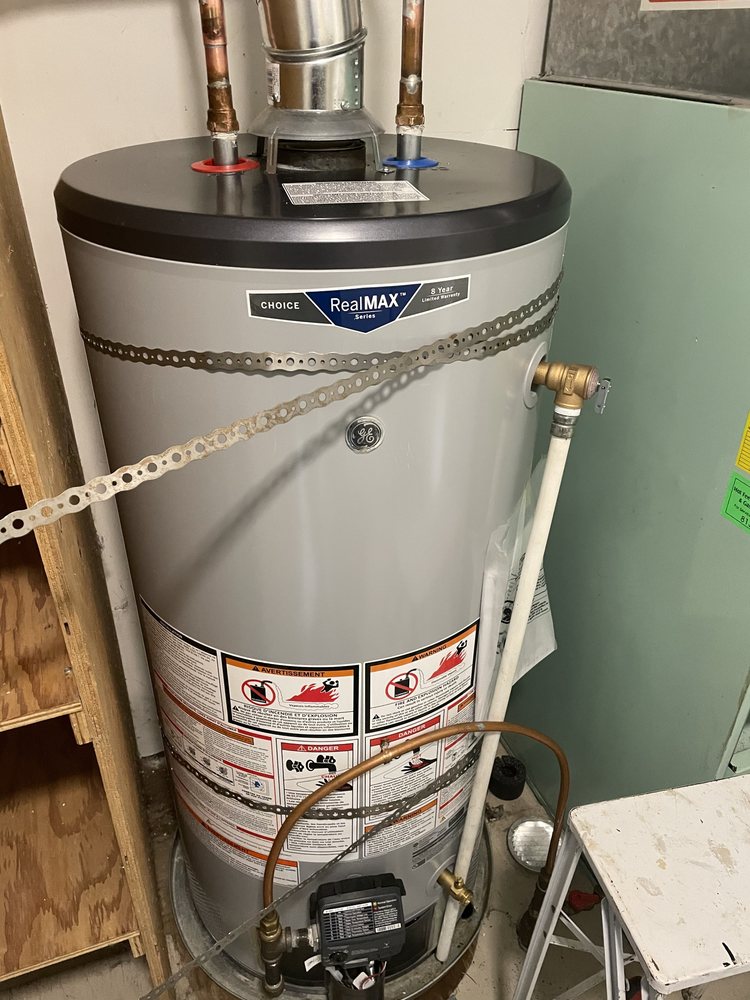
Representative High Demand Heating project photo. The customer address and exact project location are intentionally omitted for privacy.
Prepare the heating system before the first cold spell
Run the heating system before you need it continuously. Confirm the thermostat responds, warm air or water reaches the expected areas and the equipment completes a normal cycle. Check the furnace filter and keep supply registers, returns and radiators clear.
Arrange service if the system is noisy, smells unusual, leaks, struggles to reach temperature or shuts down. Early testing leaves more time to diagnose a problem before urgent winter demand.
Reduce the chance of frozen pipes
Disconnect outdoor hoses and follow the property's normal winterization procedure for exterior fixtures. Keep garage doors closed when plumbing runs through the space, and do not allow indoor temperatures to fall too low during travel or a cold snap.
Know where the main water shutoff is before an emergency. If a pipe appears frozen, avoid open flame and high-heat devices. A plumber can assess the safest way to restore flow and check for splitting or leakage.
Watch hot-water equipment for changes
Rust-coloured water, temperature swings, unusual noises, moisture around the equipment or a visible leak deserve attention. A small amount of water can spread quickly, and fuel-burning water heaters also depend on correct venting and combustion.
Do not open panels, adjust gas controls, test relief devices or flush unfamiliar equipment without the manufacturer's procedure and appropriate skill. Professional maintenance can check the tank or tankless system, controls, venting and scale or sediment concerns.
Plan for travel and power interruptions
If the home will be vacant, arrange for someone to check it and follow insurer or property-management requirements. Smart thermostats and leak alarms can help with awareness, but they do not replace a plan for responding to an alert.
After a prolonged outage, check the property for leaks and unusual equipment behaviour. If a furnace, boiler or water heater does not restart normally, call for service rather than repeatedly cycling power or attempting to relight it.