
What a furnace tune-up accomplishes and why regular service is a practical part of preparing for heating season.
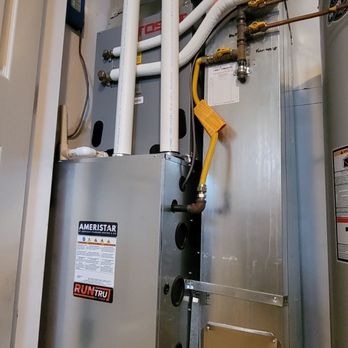
Representative High Demand Heating project photo. The customer address and exact project location are intentionally omitted for privacy.
Maintenance supports dependable operation
Heating equipment works for long periods during colder weather. A maintenance visit gives a technician an opportunity to check operation before the system is under its heaviest seasonal load. Worn components, drainage problems, abnormal readings and airflow restrictions are easier to address when discovered early.
A tune-up is not a guarantee against future repairs. It is a structured check of the equipment's current condition and a chance to correct routine issues before they contribute to poor performance or an inconvenient shutdown.
What a professional furnace visit should cover
The exact checklist depends on the furnace and manufacturer, but a useful maintenance visit typically includes operational and safety checks rather than a quick visual glance.
- Inspecting the heat exchanger area and venting that can be safely assessed
- Checking ignition, flame and safety controls
- Reviewing blower operation, filter condition and airflow
- Inspecting condensate drainage on applicable furnaces
- Checking thermostat response and the complete heating cycle
- Recording concerns and explaining recommended next steps
Airflow affects comfort and equipment stress
A dirty filter, blocked return or unsuitable filter can reduce airflow. That may contribute to uneven temperatures, longer run times, excess noise or limit trips. Homeowners can help by checking the filter regularly and keeping registers and return grilles open and unobstructed.
Professional maintenance goes further by checking whether the blower and system are operating normally. Duct problems and building-envelope issues may also need attention when rooms remain uncomfortable even though the furnace itself is working.
When to schedule furnace maintenance
Annual service is a sensible baseline for most furnaces. Booking before sustained winter use leaves time to address concerns and makes it easier to choose an appointment before the busiest no-heat periods.
Keep maintenance records with the equipment documents. They are useful for warranty requirements, future diagnosis and understanding how the system has changed over time.