
A low-stress summer checklist for preparing furnaces, boilers and heat pumps before the first cold weather.
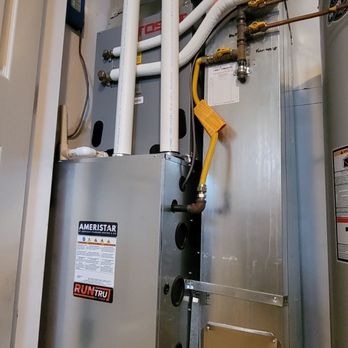
Representative High Demand Heating project photo. The customer address and exact project location are intentionally omitted for privacy.
Do not forget systems that sit idle
A furnace or boiler may be used very little during warm weather, which makes developing problems easy to overlook. Review any noise, uneven heat, error codes or repair recommendations from the previous season while the details are still available.
For a heat pump, summer cooling operation is also part of the equipment's annual workload. Changes in airflow, noise, drainage or temperature control during cooling can be relevant before the system switches back to heating.
Schedule maintenance before peak heating demand
Late summer or early fall is a practical time for professional maintenance. The technician can check operation, safety controls, filters or strainers, drainage, thermostat response and system condition as appropriate for the equipment.
Booking early leaves time for an approved repair or ordered part. It also avoids discovering a no-heat condition on the first cold night of the season.
Use thermostat settings—not improvised shutdowns
Set the thermostat to the operating mode that fits the season and household. Most systems do not need their breaker switched off simply because it is summer, and doing so may disable controls, pumps, protection features or shared cooling equipment.
Follow the equipment manual or professional advice before shutting down a boiler, furnace or hydronic system for an extended period. If you have a combination system that also produces domestic hot water, it may still be required throughout summer.
Complete a short pre-season test
Before cold weather, run the heat through a normal cycle. Confirm the thermostat responds, the system starts and stops normally, and each area receives heat. A brief dusty smell at the first start can occur, but strong or persistent odours need attention.
Check service records, replace the filter if due and keep the equipment area clear. If the system does not operate normally, arrange service before relying on it overnight.