
An approachable comparison of furnaces, boilers, heat pumps, fireplaces and radiant systems found in local homes.
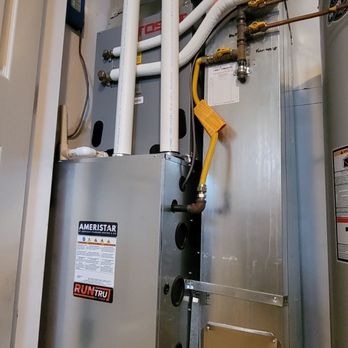
Representative High Demand Heating project photo. The customer address and exact project location are intentionally omitted for privacy.
Central heating versus room-by-room heat
Central systems create or move heat from one main piece of equipment and distribute it through ductwork, piping or indoor units. Furnaces, boilers and many heat-pump systems fall into this group.
Direct or localized systems heat a particular room or zone. Gas fireplaces, electric baseboards and some ductless heat pumps are common examples. Many homes use a combination—for example, a furnace for whole-home heat and a fireplace for comfort in a main living area.
Common central heating systems
The best-known central systems differ mainly in how they create heat and how they move it through the building.
Forced-air furnaces
A furnace heats air and a blower moves it through supply ducts. Return ducts bring air back to the equipment. Gas furnaces are common in the Lower Mainland, and the same duct system may also support central air conditioning or a heat pump.
Boilers and hydronic heating
A boiler heats water that circulates through radiators, baseboards or radiant floor loops. Hydronic systems can provide quiet, even heat and may be divided into zones. They do not provide cooling through the same pipes.
Heat pumps
A heat pump transfers heat rather than creating it through combustion. It can heat in winter and cool in summer. Systems may be ducted, ductless or paired with another heat source, depending on the home and design.
Localized and supplementary heating
Gas fireplaces provide focused heat and ambience in the room where they are installed. Electric baseboards and space heaters also provide room-level heat, while wood-burning appliances require appropriate installation, venting and maintenance.
Radiant floor heating uses warm water tubing or electric elements beneath the floor surface. It warms the room from the floor upward and is often used in bathrooms, additions or homes designed around hydronic heating.
How to compare heating options
Consider the existing distribution system, utility connections, building envelope, cooling needs, equipment location and desired controls. Installation cost is only one part of the decision; maintenance, comfort and how the home will be used also matter.
If you are unsure what system you have, note the equipment label and how heat reaches each room. High Demand Heating can inspect the existing setup and explain repair, maintenance or replacement options in plain language.