
A practical checklist for comparing furnace options, installation scope and long-term comfort before replacing an aging system.
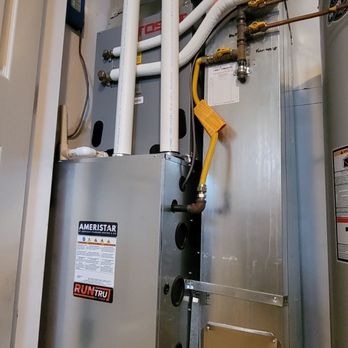
Representative High Demand Heating project photo. The customer address and exact project location are intentionally omitted for privacy.
Know when replacement planning makes sense
A furnace that has one repairable fault does not automatically need to be replaced. Replacement becomes more worth discussing when the system is aging, breakdowns are becoming frequent, comfort is uneven, parts are difficult to source or a major repair would still leave you with older equipment.
Start with a diagnosis. Ask what failed, what else is showing wear and what the repair would reasonably accomplish. A clear comparison between repairing now and replacing the system helps you make a decision based on the home—not on pressure or guesswork.
- Age and service history
- Current repair and likely near-term repairs
- Comfort, noise and airflow concerns
- Fuel use and operating cost
- How long you expect to remain in the home
Correct sizing matters more than a bigger number
A furnace needs enough capacity for the building without being unnecessarily large. Oversized equipment can cycle on and off too quickly, while undersized equipment may struggle during colder weather. Both situations can affect comfort and wear.
A useful replacement assessment considers the home's size, insulation, windows, exposure, layout and ductwork. The capacity of the old furnace is only one reference point; renovations and building-envelope upgrades may have changed the actual heating requirement.
Look beyond the furnace cabinet
Efficiency ratings are important, but the complete installation determines how the system performs. Return-air capacity, supply ducts, filter access, venting, drainage, thermostat controls and electrical requirements can all affect the finished result.
Ask whether the quote includes removal of the old equipment, permits where required, venting or drain changes, thermostat work, commissioning, warranty registration and cleanup. Clear scope makes estimates easier to compare and reduces surprises on installation day.
- Equipment make, model and rated efficiency
- Included installation materials and labour
- Duct or airflow corrections
- Controls and thermostat compatibility
- Warranty terms and maintenance expectations
Prepare for a smoother furnace estimate
Before the visit, gather the existing model number, recent utility information if available and a short list of comfort concerns. Mention rooms that run cold, unusual noise, frequent cycling or changes made to the house. Photos of the equipment area and access path can also help with planning.
High Demand Heating installs and services natural-gas furnaces across Maple Ridge and the Lower Mainland. A site assessment is the right place to confirm capacity, installation requirements and the most practical options for your home.